May 4, 2025
Outdoor Electrical Safety Tips Every Homeowner Should Know
Outdoor spaces add comfort and functionality to your home—but when it comes to electrical systems outside, safety must be your top priority. From garden lighting to power tools and pools, outdoor electrical hazards are real and often underestimated.
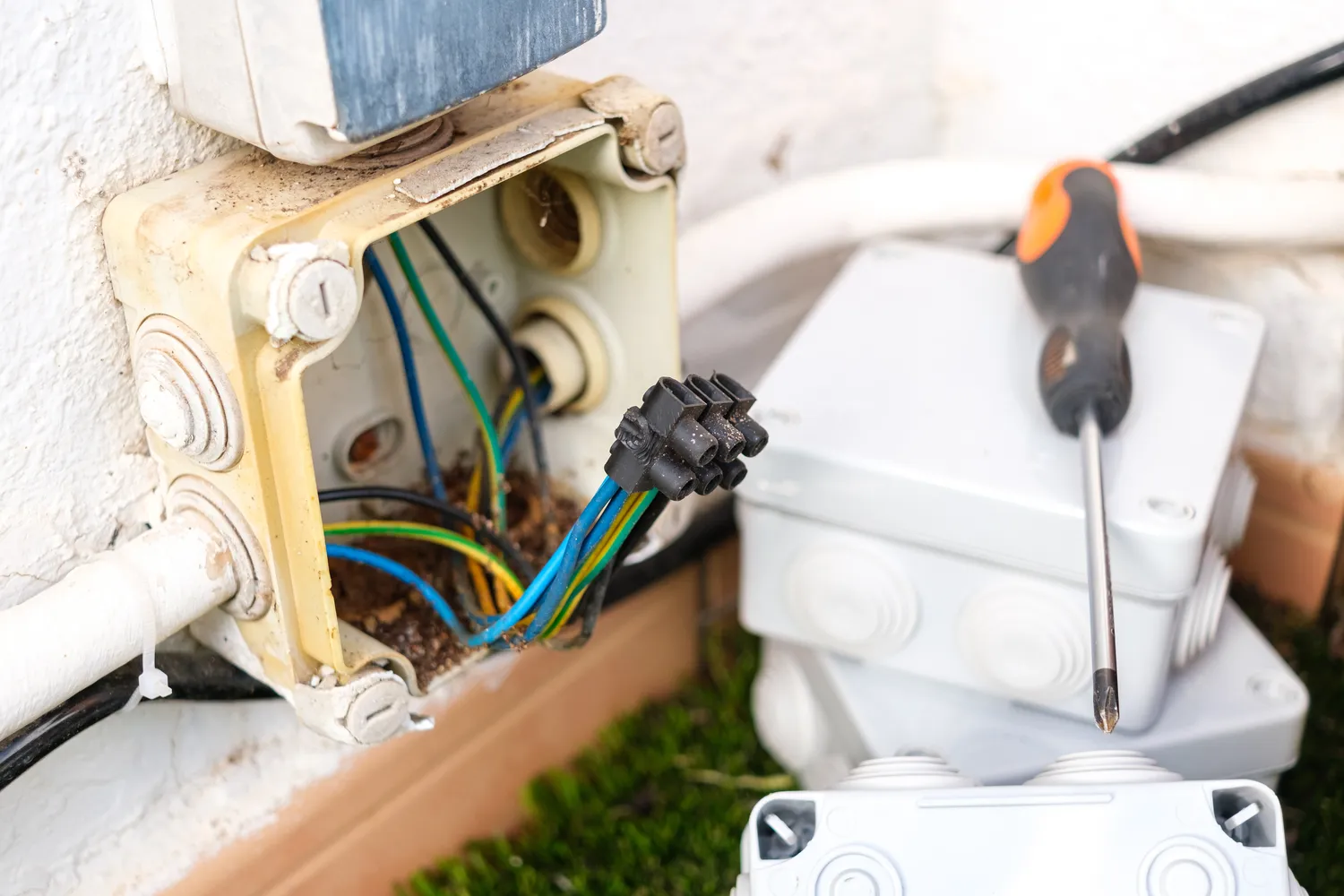
The first rule of outdoor safety is using weather-resistant materials. Outlets, wiring, and fixtures must be rated for outdoor use. These components are designed to withstand rain, humidity, and temperature changes, reducing the risk of short circuits and corrosion.
Ground Fault Circuit Interrupters (GFCIs) are a must-have for all outdoor outlets. GFCIs detect imbalances in the electrical current and immediately shut off power to prevent shock. These should be installed by a licensed electrician and tested regularly.
All outdoor receptacles should have proper covers—preferably “in-use” covers that protect the outlet even when something is plugged in. This prevents water from entering and causing dangerous faults.
Extension cords used outdoors should also be rated for exterior use and kept away from puddles, garden beds, or areas where they could be damaged by lawn equipment. Never daisy-chain cords together, and always unplug them after use.
Lighting your landscape? Choose low-voltage lighting where possible, and ensure cables are buried properly. Solar lighting is a safe and energy-efficient alternative that avoids wiring altogether.
Pools and hot tubs require special attention. Water and electricity are a deadly combination, so all equipment should be installed and grounded by professionals. Lighting in and around water features must be GFCI-protected and follow strict codes for spacing and insulation.
In short, outdoor electrical systems need the same professional care as interior ones—if not more. A licensed electrician can help plan, install, and maintain safe systems for any outdoor project, giving you peace of mind and protecting your family.