April 4, 2025
Electrical Safety for DIYers: What You Can and Can’t Do
DIY projects are satisfying and can save money—but when it comes to electrical work, the line between “safe” and “dangerous” isn’t always clear. Knowing what you can legally and safely do yourself—and when to call in a professional—is essential for anyone taking on home projects.
First, the basics: you can typically replace light fixtures, install new outlets or switches (if no new wiring is required), and reset tripped breakers. These are low-risk tasks that require minimal tools and carry fewer safety concerns—assuming you always turn off the power at the breaker panel first.
However, as soon as you move beyond surface-level changes, the risks multiply. Running new circuits, adding breakers, or upgrading panels should always be done by a licensed electrician. These tasks require knowledge of code requirements, load calculations, and proper grounding techniques.
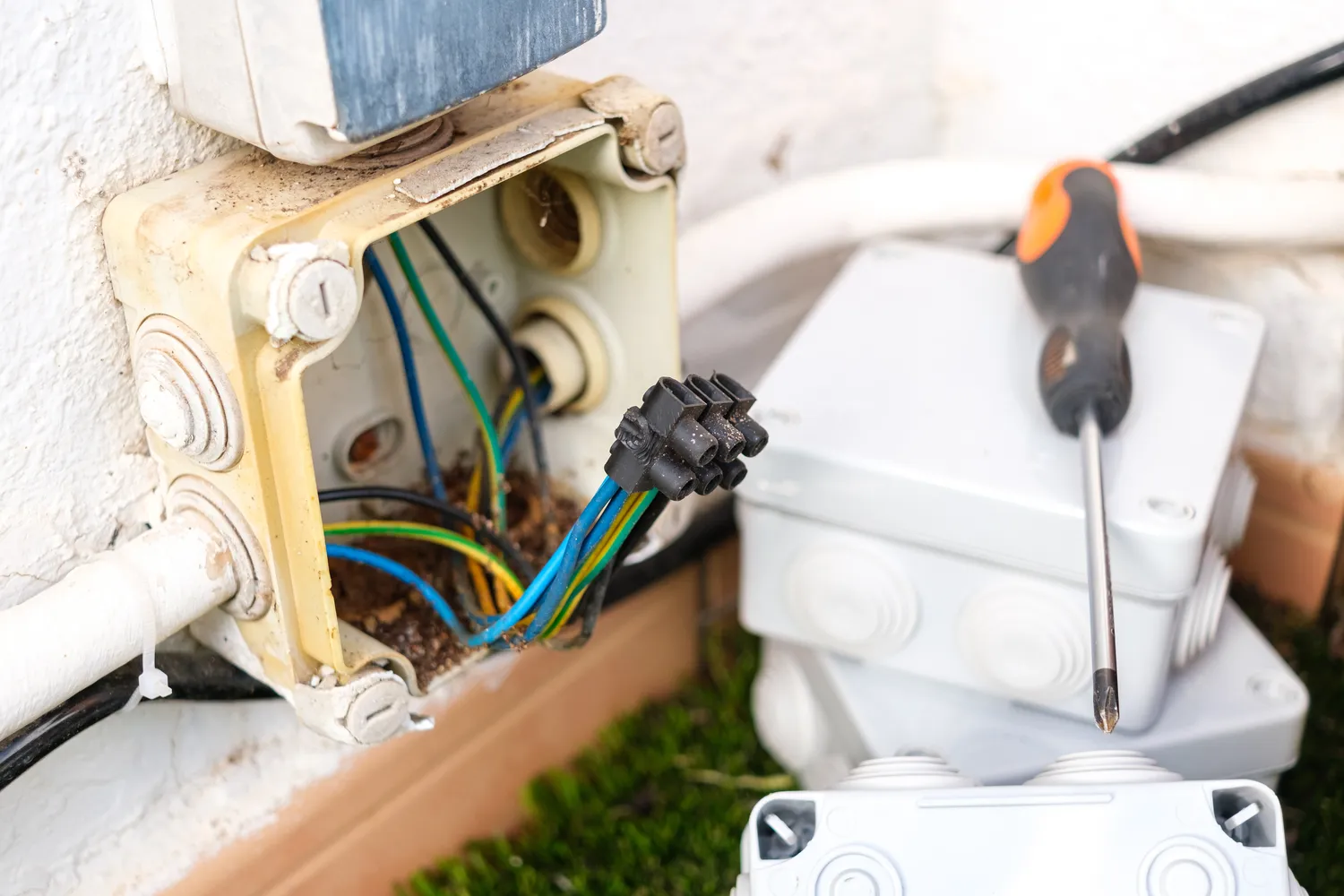
One common DIY mistake is using incorrect wire sizes or overloading circuits. This can result in overheating and fire hazards that don’t always show up immediately. Improper connections (especially with aluminum or mixed-metal wires) can also lead to arcing or voltage drops that damage appliances.
There are also legal issues to consider. In many jurisdictions, electrical work must be inspected—and only work done by licensed electricians can be approved. Failing to meet these standards could invalidate your homeowner’s insurance or cause problems when selling the house.
To stay safe as a DIYer:
-
Always shut off power before starting work
-
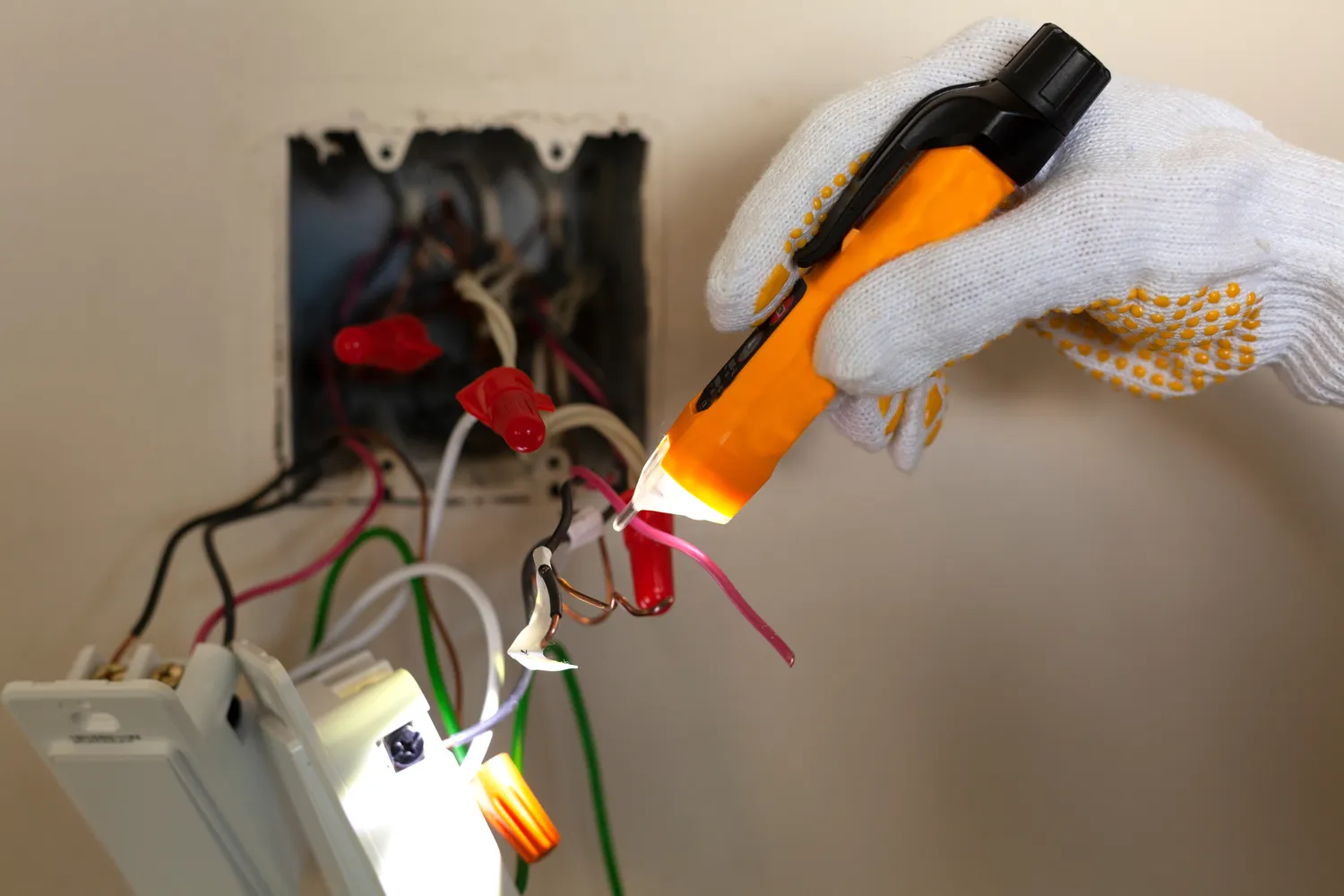
Use a voltage tester to double-check that circuits are dead
-
Don’t exceed your skill level—know when to call in a pro
-
Familiarize yourself with local codes and permit requirements
There’s no shame in asking for help. While DIY can be empowering, your safety and that of your home come first. For complex electrical projects, it’s always worth hiring a licensed electrician to get the job done right.