June 4, 2025
Why Aluminum Wiring in Older Homes Is a Safety Concern
If you live in a home built between the mid-1960s and late 1970s, there’s a chance your electrical system uses aluminum wiring. While this material was once seen as a cost-effective alternative to copper, it’s now widely recognized as a safety risk that homeowners shouldn’t ignore.
Aluminum wiring expands and contracts more than copper when it heats and cools. Over time, this movement can loosen connections at outlets, switches, and breaker panels—leading to overheating, arcing, or even electrical fires. In fact, studies have shown that homes with aluminum wiring are up to 55 times more likely to have fire hazards than those with copper wiring.
Another issue is corrosion. When aluminum is exposed to air, it forms an oxide layer that increases electrical resistance. This can reduce the efficiency of your system and further increase the risk of overheating.
There are warning signs that your home may have aluminum wiring problems. Flickering lights, warm outlet covers, the smell of burning plastic, or non-working outlets should all prompt an immediate inspection by a licensed electrician.
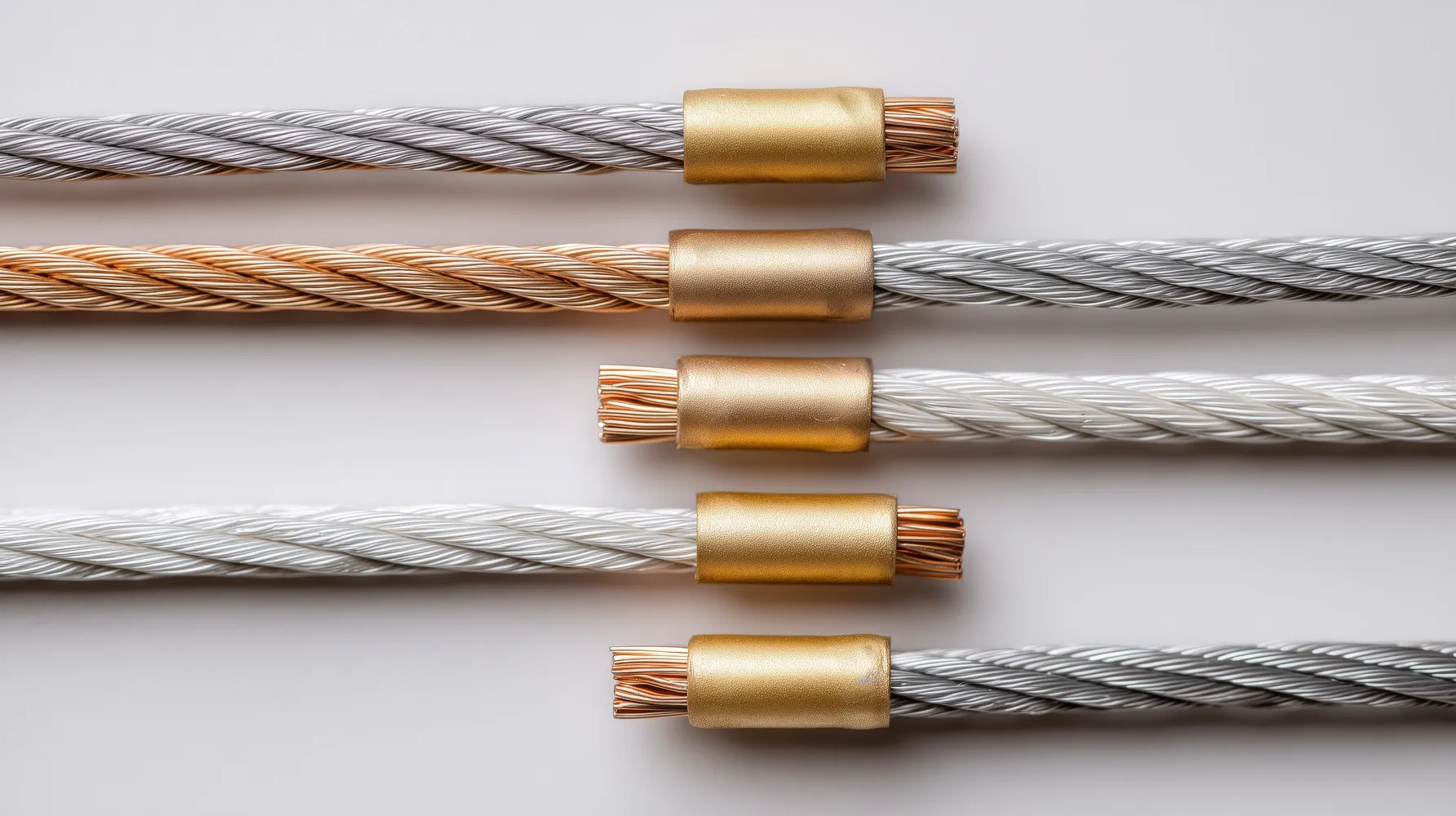
If your home does have aluminum wiring, don’t panic—there are solutions. Full rewiring is the most permanent and safest option, though it can be costly. Another common approach is using a method called “COPALUM crimping” or installing Al/Cu-rated connectors with antioxidant compounds—both of which reduce fire risk without the need for full rewiring.
Whatever route you choose, never attempt to fix aluminum wiring issues yourself. Improper handling only increases the danger. Hire a licensed electrician experienced in aluminum-to-copper retrofitting to ensure your home is safe and up to code.